Biometric Authentication Enhancing Entry Protocols on Mobile Gambling Platforms
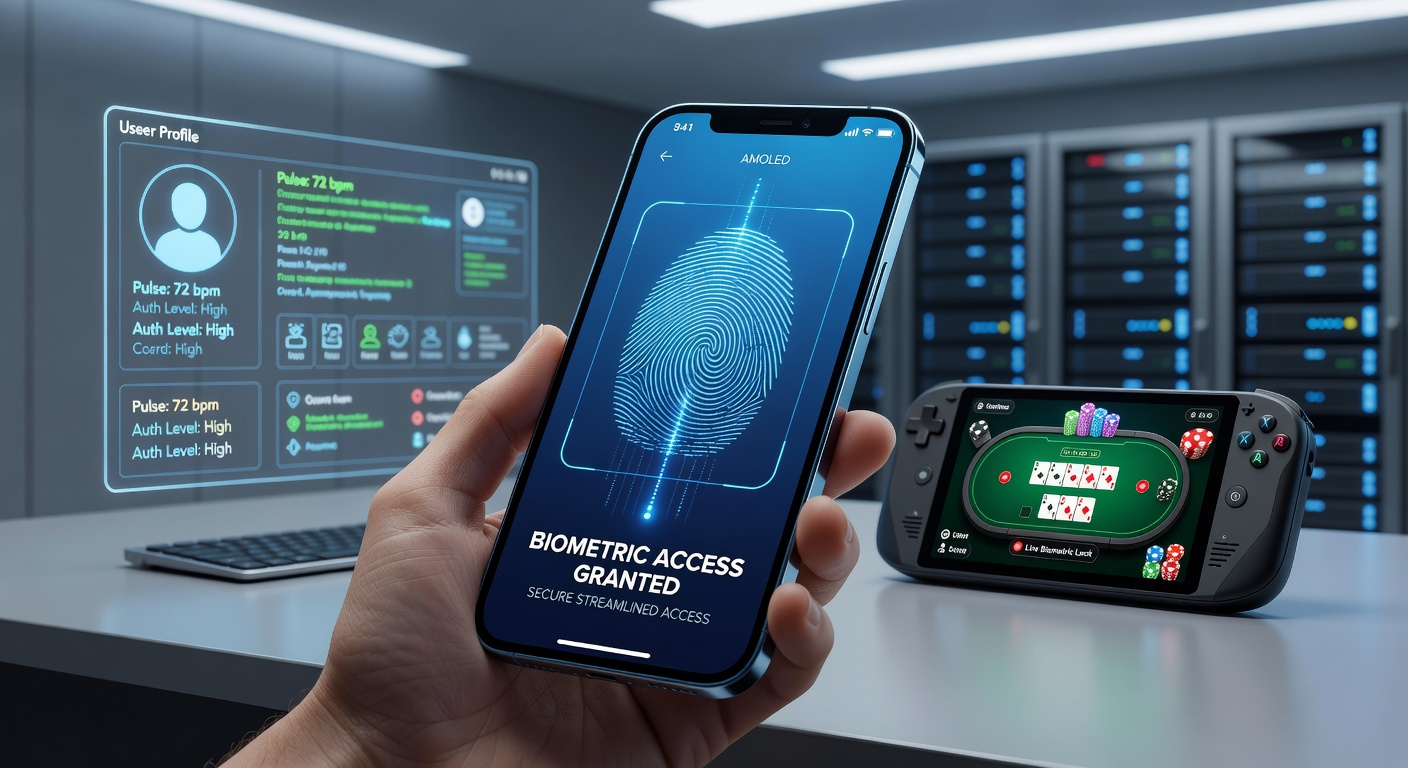
Biometric authentication methods have integrated into portable gambling platforms as developers seek to balance rapid user access with robust verification standards, and industry data shows adoption rates climbing steadily across major operating systems since 2023. Fingerprint scanners and facial recognition systems now handle login sequences on numerous apps, replacing traditional password entry while maintaining compliance with regional data protection rules. Those who've examined platform updates note that processing times for verified users often drop below two seconds once initial enrollment completes, allowing seamless transitions between account checks and game interfaces.
Core Technologies Driving the Shift
Modern implementations rely on a combination of hardware sensors and encrypted software layers that capture and compare unique physical traits against stored templates. Fingerprint readers embedded in device screens process ridge patterns through capacitive or ultrasonic methods, whereas facial systems utilize infrared mapping to account for lighting variations during outdoor sessions. Voice biometrics appear less frequently in gambling contexts but surface in customer support integrations where spoken phrases confirm identity without visual input. Research from the National Institute of Standards and Technology guidelines indicates that multimodal approaches combining two traits reduce false acceptance rates to below 0.1 percent in controlled tests, a figure that platform operators reference when selecting vendors.
Enrollment typically occurs during the first app launch after regulatory age verification passes, with users guided through repeated scans to build reliable reference data. Subsequent accesses pull from local device storage rather than transmitting raw images to central servers, limiting exposure during network fluctuations common in travel scenarios. Observers note that Android and iOS frameworks provide standardized APIs that developers leverage, ensuring consistent performance whether users switch between Wi-Fi and cellular connections mid-session.
Security Advantages in Variable Environments
Portable devices face unique threats including shared hardware, public network risks, and physical theft scenarios, yet biometric layers add a possession-plus-inherence barrier that static credentials lack. When a device detects an unrecognized face or fingerprint mismatch, it triggers additional challenges such as one-time codes delivered via SMS or linked email, maintaining continuity without full account lockouts. Data from platform analytics reveals that account takeover incidents declined in regions where biometric defaults became mandatory after initial user consent, although exact percentages vary by jurisdiction and operator size.
Encryption protocols wrap biometric templates in device-specific keys that regenerate on each software update, rendering extracted data useless on other hardware. This approach aligns with emerging standards ahead of anticipated May 2026 regulatory adjustments in several markets that emphasize stronger identity binding for cross-border operators. European Data Protection Board resources highlight similar encryption expectations for any personal data processing tied to financial transactions, prompting gambling firms to audit their storage practices ahead of deadlines.
Integration Patterns Across Global Markets
Operators in North America and Asia-Pacific regions have rolled out biometric prompts at different paces, with some requiring scans only for high-value withdrawals while others embed them at every launch. Australian regulatory bodies track voluntary adoption metrics showing over 60 percent of surveyed users prefer fingerprint entry once educated on its local processing advantages. Canadian provincial frameworks similarly permit these methods provided clear opt-out paths exist and data retention policies remain transparent in app disclosures.
Multi-platform synchronization presents ongoing engineering tasks, as users expect the same enrolled fingerprint to authenticate across phone, tablet, and even wearable pairings when available. Developers address this through cloud-synced but encrypted profile fragments that never expose full templates, allowing recovery flows if a primary device is replaced. Case examples from large operators demonstrate that support ticket volumes related to forgotten passwords decreased sharply after biometric prompts reached 80 percent coverage in their active user base.
Privacy Considerations and User Controls
Consent mechanisms appear at multiple stages, beginning with initial setup screens that explain data handling in plain language before any scan occurs. Users retain options to disable biometrics and revert to PIN or password alternatives at any time, with the change reflected instantly across linked devices. Academic papers from gaming technology research groups emphasize the importance of revocable templates that can be deleted remotely if a user closes an account, preventing lingering records on manufacturer servers.
Accuracy challenges arise in extreme conditions such as cold weather affecting fingerprint readability or low-light environments impacting facial detection, yet fallback protocols automatically surface without disrupting play sessions. Continuous monitoring by device operating systems flags potential spoofing attempts using photos or molds, triggering silent alerts to security teams while the user experiences only a brief additional verification step.
Conclusion
Biometric authentication continues to expand within portable gambling environments as hardware capabilities advance and regulatory expectations around secure access solidify. Platform providers coordinate with device makers to refine sensor integration while preserving user choice and data minimization principles. Reports scheduled for release around May 2026 are expected to provide updated benchmarks on performance across diverse connection qualities and demographic groups, offering operators clearer guidance on scaling these systems further.