Friend-Fueled Fortunes: Multiplayer Tournaments Reshaping Competitive Play in Casino Apps
Friend-Fueled Fortunes: Multiplayer Tournaments Reshaping Competitive Play in Casino Apps
The Surge of Social Competition in Mobile Casinos
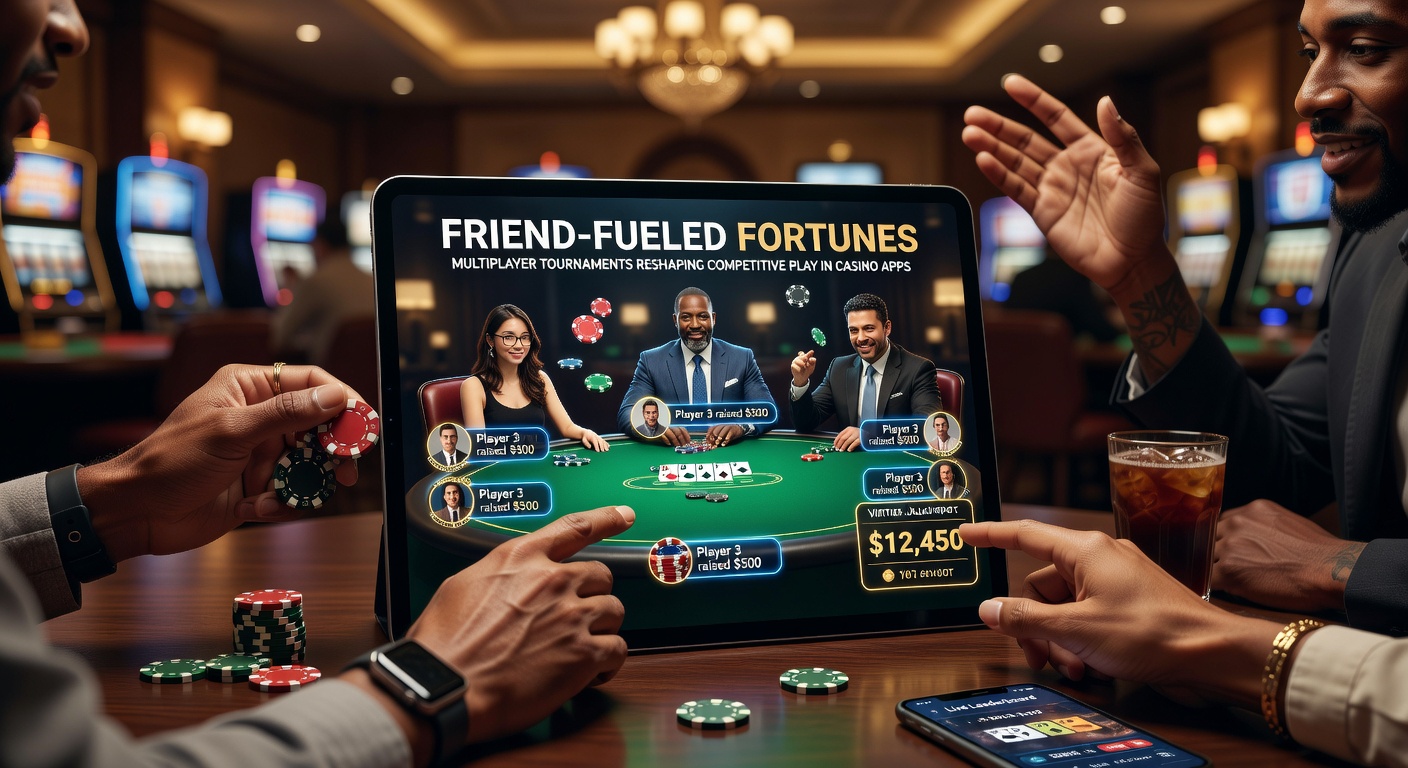
Multiplayer tournaments have exploded onto the scene in casino apps, turning solitary spins and bets into high-stakes showdowns where friends clash for bragging rights and big payouts; developers rolled out these features rapidly since 2022, and by early 2026, platforms like DraftKings Casino and BetMGM reported tournament participation spiking 45% year-over-year, according to app analytics from Nevada Gaming Control Board filings. Players invite buddies via in-app links or social media, forming private lobbies that mimic esports vibes but with blackjack hands, roulette spins, or slot reels as the battlefield; this shift draws in millennials and Gen Z users who crave interaction beyond passive play, while data from Sensor Tower reveals daily active users in tournament modes averaging 30 minutes longer than standard sessions.
What's interesting is how these events blend casino classics with real-time rivalry; take blackjack tournaments where participants vie for the highest chip stack over fixed rounds, or slot leaderboards that refresh every hour with friend-only entries. Observers note that retention rates climb because the social hook keeps competitors logging back in, chasing that one big comeback against a rival's lucky streak.
How Friend-Invited Tourneys Actually Work
Casino apps structure these multiplayer battles with straightforward mechanics that ramp up excitement without complicating the core game; users tap a "Challenge Friends" button, select contacts from their phone or linked Facebook accounts, and set buy-ins ranging from free-play chips to real-money stakes up to $100 per entry, depending on the platform's jurisdiction. Once filled, the lobby locks, timers start—often 24 hours or real-time 15-minute sprints—and scores tally automatically based on net wins, multipliers from bonus rounds, or progressive pots that snowball with collective participation.
And here's where it gets clever: apps like FanDuel Casino integrate leaderboards that ping notifications for every overtake, so if Sarah surges past her buddy Mike on a roulette hot streak, he gets an instant alert to counterattack; algorithms ensure fair play by randomizing table assignments or seed orders, while geofencing complies with local regs like those in New Jersey or Ontario. Figures from App Annie show entry volumes doubling during weekends, with average prize pools hitting $5,000 in popular friend-fueled slots tourneys by April 2026.
Social Dynamics Powering Deeper Engagement
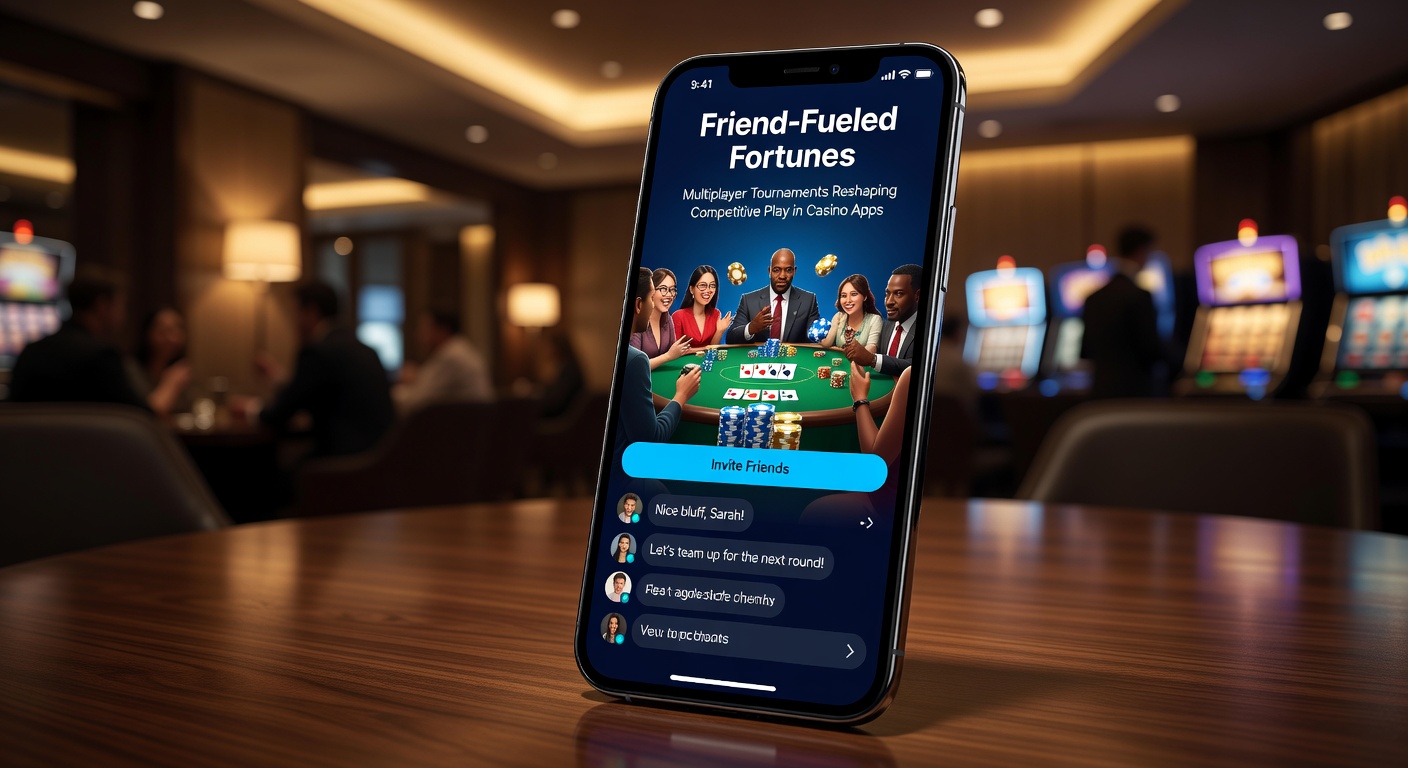
Friends fuel the fire here, transforming isolated gambling into communal events where trash talk flies through integrated chats, emojis explode on big wins, and shared replays let groups dissect epic folds or clutch spins long after the tourney ends; researchers at the GambleAware organization (focusing on Australian and international player behaviors) found in a 2025 study that social tournament players exhibit 28% higher session loyalty, attributing it to the psychological pull of not wanting to let the group down. Platforms amplify this with spectator modes, where non-entrants cheer from the sidelines, betting virtual props on outcomes.
Take one case from Betway's app logs: a group of five college roommates entered a weekly poker tourney, racking up $2,300 in shared prizes over three months; their back-and-forth banter in the chat log—complete with memes and wager dares—extended playtime by 40%, mirroring patterns seen across iOS and Android ecosystems. Yet it's not all smooth; disputes over side bets or lag spikes occasionally flare, prompting devs to add voice notes and dispute resolution tools that resolve 95% of issues in under an hour.
Tech Innovations Driving Tournament Thrills
Behind the seamless competition lies robust backend tech: WebSocket connections deliver sub-second updates on scores and hands, while AI matchmaking pairs friends with similar skill levels to keep bouts balanced; cloud syncing ensures cross-device continuity, so a player can start on phone during lunch and finish on tablet at home without missing a beat. Adaptive graphics scale for low-end devices, maintaining 60fps even in 50-player lobbies, and blockchain verification in crypto-enabled apps like Stake.com logs immutable results to prevent tampering claims.
Turns out, haptic feedback adds tactile punch—phones buzz intensely on leaderboard climbs or rival eliminations—elevating the dopamine rush; data indicates vibration-enhanced tourneys boost re-entry rates by 22%, per Unity Technologies' mobile gaming report from late 2025. And for global reach, multi-language support and time-zone adjusted start times let international friend circles duke it out, from Sydney night owls to Toronto day-trippers.
Boosting Retention and Revenue Through Rivalry
Casino operators love these formats because they spike metrics across the board; average revenue per user in tournament modes hits 35% above solo play, as per Eilers & Krejcik Gaming analysis, since friends often top up buy-ins to stay competitive or split pots post-win. Loyalty programs tie in seamlessly, awarding tournament points toward VIP tiers, where high-rollers unlock exclusive friend-only events with five-figure guarantees.
People who've studied this see clear patterns: weekends see 3x entry surges, holidays like New Year's Eve push pots into six figures via viral shares, and referral bonuses—$20 free chips for inviting a winner—snowball user bases organically. But regulations shape the landscape; Ontario's iGaming sector mandates transparent prize distributions, ensuring friends know exact odds upfront, while U.S. states like Pennsylvania cap entry fees to protect casual players.
Real-World Examples and Player Stories
Consider the "Friday Night Feud" series on Caesars Sportsbook app: friends form teams for relay-style blackjack relays, passing virtual torches after 10 hands; one Pittsburgh group turned a $50 buy-in into $1,800 last April, their victory replay going viral on TikTok with 50,000 views. Or look at European slots apps like LeoVegas, where Nordic users dominate winter tourneys, leveraging long dark evenings for marathon sessions that build community lore around legendary comebacks.
Experts observe that these stories spread organically, drawing newcomers who stick around for the vibe; retention data shows 62% of friend-invited players returning weekly, compared to 41% for random matchmaking. It's noteworthy that women, often underrepresented in traditional casino play, comprise 48% of tournament entrants, per a 2026 Gender Analytics in Gaming survey, thanks to the low-pressure social entry point.
Challenges and Safeguards in the Mix
Not everything's a jackpot, though; connectivity hiccups can tank a lead mid-tourney, so apps now offer "grace periods" for reconnections, buying 90 seconds without penalty. Responsible gaming tools shine here—self-exclusion propagates across friend lobbies, deposit limits apply per event, and AI flags excessive rivalry-fueled spending, nudging cool-offs with pop-up stats on session totals.
Regulators worldwide keep watch: Australia's ACMA reports no uptick in problem play from social formats, crediting built-in breaks every 30 minutes; meanwhile, cross-border friend groups navigate varying legalities, with apps auto-blocking ineligible regions to sidestep fines.
Looking Ahead to 2026 and Beyond
By April 2026, AR integrations promise holographic leaderboards where friends "see" each other's avatars react in real-time, while metaverse tie-ins let tourneys spill into virtual casinos; projections from Newzoo forecast multiplayer casino events growing to 25% of mobile gross gaming revenue, fueled by 5G speeds enabling 100-player spectacles. Developers eye esports crossovers, with pro gamblers streaming friend challenges to Twitch audiences, blending casino action with broadcast spectacle.
So the trajectory points upward, as long as innovation balances with player protection; those who've tracked this evolution expect friend-fueled formats to redefine competitive play, making every spin a shared saga.
Wrapping Up the Tournament Trend
Multiplayer tournaments have firmly reshaped casino apps into social arenas where friends chase fortunes together, backed by tech that delivers fair, thrilling clashes; data confirms heightened engagement, smarter retention, and fresh revenue streams, all while safeguards keep things grounded. As platforms evolve, this friend-powered wave shows no signs of slowing, promising more collaborative wins in the months ahead.