Physiological Signals Driving Adaptive Casino Experiences on Smartphones
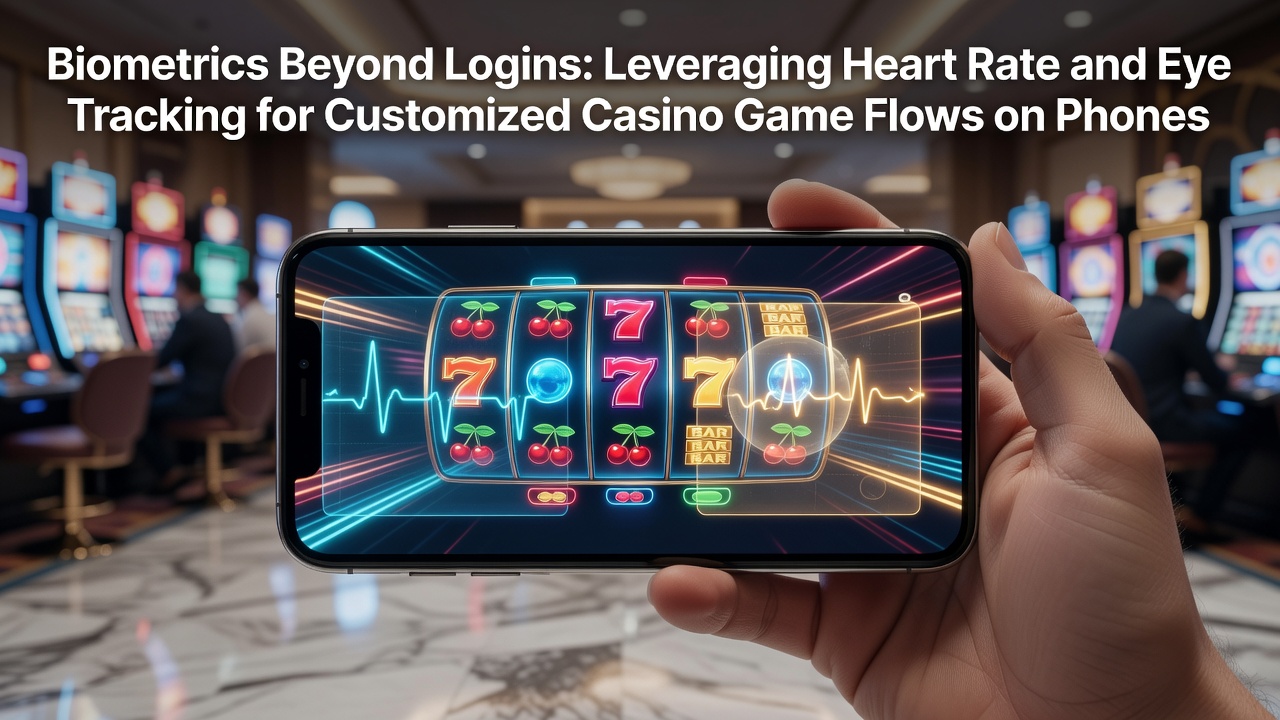
Developers have started embedding heart rate monitors and eye tracking cameras into mobile casino applications, allowing game mechanics to shift in response to a player's real-time physiological data. These systems move past simple authentication steps and instead adjust bonus triggers, bet suggestions, and visual pacing based on detected arousal levels and gaze patterns.
How Sensor Data Alters Game Sequences
Heart rate variability provides a continuous stream of information that software interprets as excitement or fatigue indicators. When readings climb above baseline thresholds during a slot session, the application may extend reel spin durations or introduce additional visual effects to maintain engagement. Eye tracking complements this by mapping where attention lingers on the screen, enabling the system to highlight paylines or side bets that align with observed focus areas.
Researchers at several technology firms have tested these integrations in controlled environments since early 2025, with expanded trials reported in July 2026 across multiple device manufacturers. Data shows that sessions incorporating heart rate feedback experienced measurable differences in average play duration compared with standard versions, while eye tracking contributed to changes in how frequently players selected certain game features.
Technical Implementation on Consumer Devices
Modern smartphones already contain the necessary hardware. Front-facing cameras capture pupil movement and blink frequency at high frame rates, while optical sensors in wearables or built-in photoplethysmography modules record pulse data without additional accessories. Application programming interfaces translate these signals into game parameters within milliseconds, creating seamless adjustments that feel organic rather than scripted.
One development team documented a case where elevated heart rate combined with prolonged fixation on a particular symbol prompted the software to trigger a mini-feature earlier than the standard random schedule would allow. This approach relies on machine learning models trained on aggregated anonymized datasets rather than individual profiles alone, maintaining compliance with data protection standards in various jurisdictions.
Regulatory Landscape and Industry Adoption
Authorities outside the United Kingdom have begun examining these technologies for both consumer protection and fairness considerations. The Nevada Gaming Control Board issued preliminary guidelines in mid-2026 addressing real-time biometric adaptation in digital gaming, while the Australian Communications and Media Authority has reviewed similar systems in the context of responsible play tools. Industry groups such as the International Gaming Standards Association have published technical specifications outlining minimum latency requirements and data encryption protocols for physiological inputs.
What's interesting is how these adjustments integrate with existing responsible gambling features. Rather than overriding player choices, the systems often surface optional prompts when patterns suggest sustained high arousal, giving users the chance to modify settings or take breaks. Figures from pilot programs indicate that a notable portion of participants used these prompts at least once during extended sessions.

Privacy Considerations and Data Handling
Because heart rate and gaze information qualify as sensitive biometric data, developers route all processing through on-device computation whenever possible. Raw signals remain local, with only derived metrics such as arousal categories transmitted to servers under strict consent frameworks. Several academic papers from European research institutions have analyzed encryption methods that prevent reconstruction of identifiable physiological profiles even if server records face compromise.
Users retain granular control through in-app toggles that disable specific sensors or limit data retention periods. Transparency reports from participating operators list the exact types of adjustments made possible by each sensor category, allowing players to understand how their information influences gameplay before opting in.
Future Directions in July 2026 and Beyond
By July 2026, several major platforms had incorporated limited biometric customization into live dealer environments, where dealer pacing and camera angles respond to aggregated audience signals. Early results suggest these features increase perceived immersion without requiring hardware upgrades beyond current flagship phones. Ongoing studies continue to examine long-term effects on player behavior and whether sustained use of adaptive flows correlates with changes in session frequency or spend patterns.
Engineers continue refining algorithms to distinguish between genuine emotional responses and external factors such as physical activity or ambient lighting conditions. Partnerships between sensor manufacturers and game studios have produced standardized testing suites that verify accuracy across different skin tones and eye shapes, addressing earlier concerns about bias in biometric systems.
Conclusion
Heart rate and eye tracking technologies now extend well beyond initial access controls in mobile casino applications. They enable dynamic adjustments to game flow that respond to individual physiological cues while operating within evolving regulatory and privacy frameworks. Continued development through 2026 focuses on accuracy, user control, and cross-platform consistency, with data from multiple regions informing the next wave of implementations.