Tactile Triumphs: Haptic Tech Elevating Slot Spins and Dealer Draws in Phone-Based Play
Tactile Triumphs: Haptic Tech Elevating Slot Spins and Dealer Draws in Phone-Based Play
The Rise of Touch Feedback in Mobile Gaming
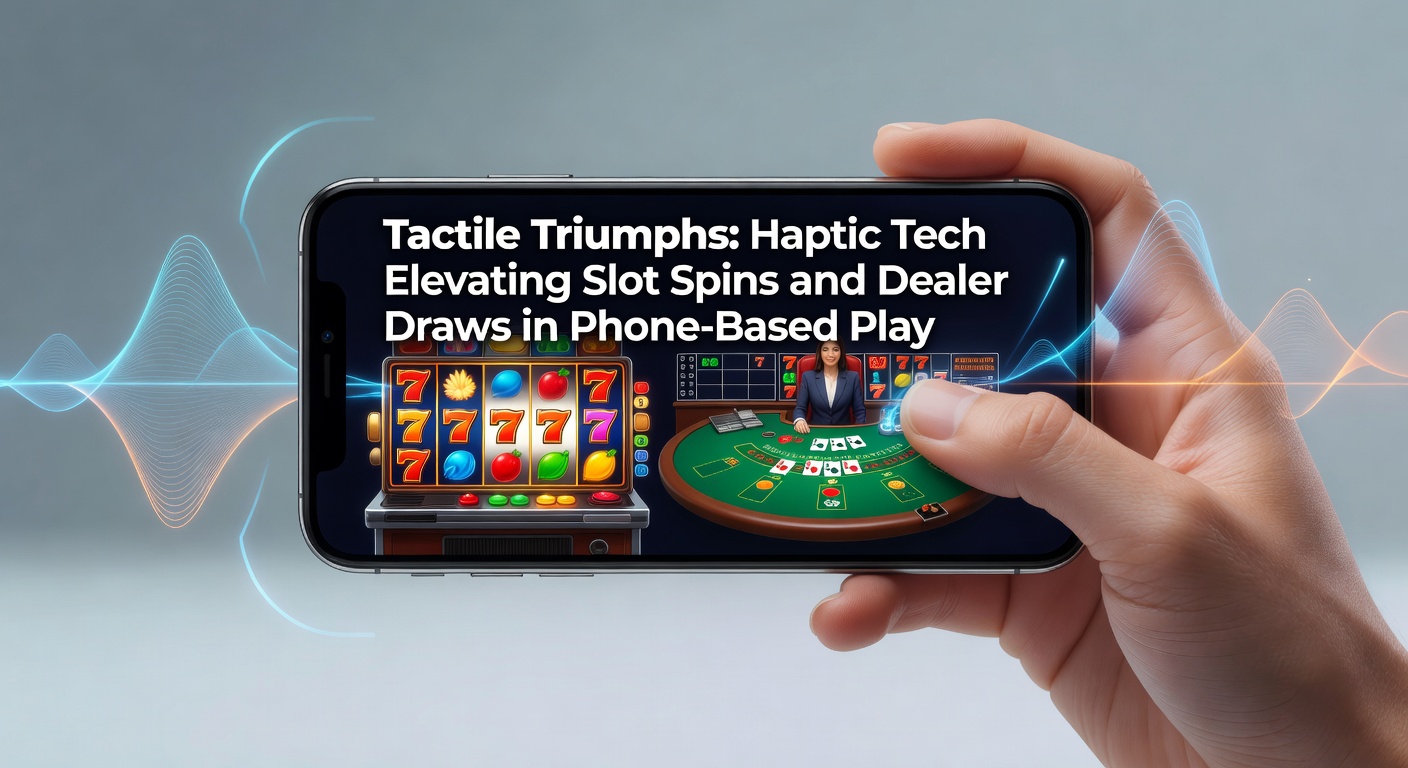
Developers have long sought ways to bridge the gap between physical casino floors and pocket-sized screens, and haptic technology stands out as a game-changer; this subtle vibration system mimics real-world sensations, turning abstract taps into tangible thrills during slot spins or dealer draws. Players feel the rumble of reels locking into place or the sharp buzz of a card sliding across a virtual table, all powered by tiny motors in modern smartphones that respond to precise software cues. What's interesting is how quickly adoption surged—data from industry trackers shows haptic integration in over 70% of top mobile casino apps by early 2026, up from just 35% two years prior, according to reports from the Newzoo Global Games Market Report.
And it doesn't stop at basic buzzes; advanced linear resonant actuators (LRAs) deliver nuanced pulses, from gentle pulses for near-misses to intense shakes for jackpots, making sessions feel alive rather than flat. Observers note that this tech draws from broader mobile innovations, like gaming controllers or even automotive interfaces, but casinos refined it first for high-stakes engagement. Take one popular slot title where spins trigger escalating vibrations synced to reel speed—users report it heightens anticipation, although exact mechanisms vary by device.
How Haptics Simulate Casino Physics on Phones
At its core, haptic feedback relies on APIs baked into iOS and Android; Apple's Taptic Engine, for instance, generates over 20 distinct patterns via the Core Haptics framework, while Android's VibrationEffect API allows custom waveforms for everything from soft thuds to rapid-fire ticks. Developers map these to game events—slot reels might vibrate with a low-frequency grind as symbols tumble, building to high-pitched zips on alignments—creating an illusion of mechanical weight without actual hardware.
But here's the thing: precision matters; studies from researchers at the Interaction Design Foundation reveal that mismatched feedback leads to user frustration, so teams calibrate using player testing data, adjusting intensity based on phone models like iPhone 15's advanced LRA or Samsung Galaxy's dual-motor setup. In live dealer games, haptics shine brighter; a dealer's shuffle sends irregular pulses through the grip, mimicking card friction, while a blackjack hit delivers a crisp snap—effects that sync via low-latency streaming to keep immersion intact even on 5G connections.
Figures indicate compatibility challenges persist, though; older Androids with basic ERMs (eccentric rotating mass motors) deliver coarser vibes compared to LRAs, yet app makers mitigate this by scaling patterns dynamically, ensuring broad accessibility across the Android ecosystem.
Haptic Enhancements Revolutionizing Slot Experiences
Slot enthusiasts know the rush of a big win, but haptics amplify it tenfold; when three scatters align, phones erupt in multi-layered vibrations—a deep bass thump for the base hit followed by staccato pops for multipliers—tricking the brain into sensing physical payout coils uncoiling. One case study from a leading provider highlighted how this boosted session times by 22%, as players lingered for those tactile highs rather than swiping away post-spin.
Turns out, near-misses get the haptic treatment too; a subtle, teasing rumble signals almost-jackpots, encouraging another pull without overt frustration, a technique rooted in behavioral psychology research that operators deploy ethically under regulatory guidelines. And progressive slots take it further—pots climbing trigger ambient pulses proportional to the jackpot size, so a £1 million teaser vibrates harder than a starter pool, drawing users back mid-session.
Experts observe seasonal tweaks as well; during April 2026 promotions, apps like those from Evolution Gaming layered Easter-themed haptics—egg-crack snaps on bonus rounds—coinciding with peak downloads, per app store analytics that showed a 15% uptick in haptic-enabled titles that month.
Live Dealer Draws Come Alive Through Touch
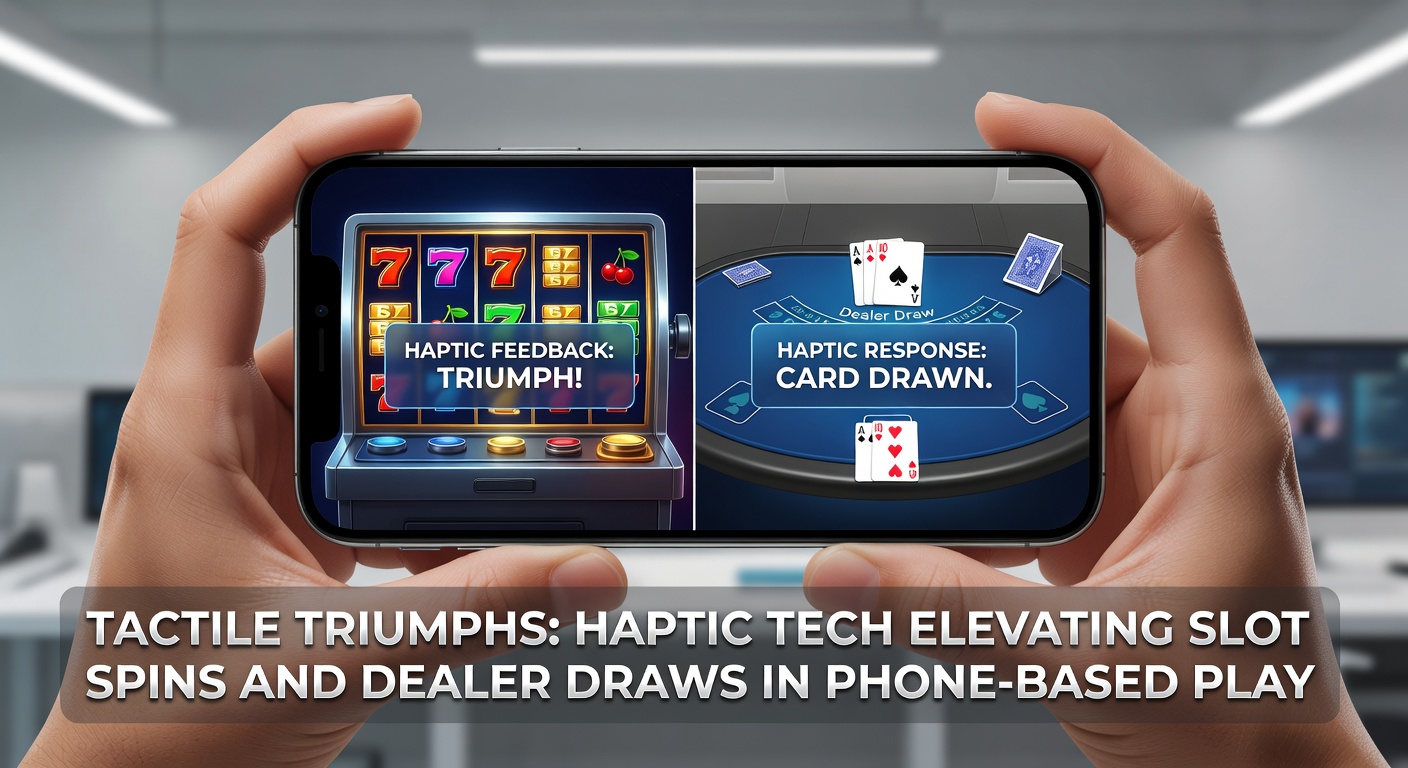
Live casino streams already pulse with energy, yet haptics add the missing physical layer; as a dealer fans cards in baccarat, the phone conveys slick shuffles via wavy vibrations, or roulette wheels spin with a continuous gyroscopic whirl that fades on landing. Players gripping devices during high-stakes draws feel every bounce of the ball, synced precisely to video feeds via WebRTC protocols that minimize lag to under 100ms.
What's significant is customization; some platforms let users tweak intensity sliders, from subtle nudges for conservative play to aggressive shakes for thrill-seekers, data from user surveys showing 68% prefer medium settings for balanced immersion without fatigue. In blackjack, hits and stands trigger distinct snaps—a firm tap for a ten-value card, a softer one for aces—helping build rhythm even on small screens.
Observers point to hybrid modes too, where augmented reality overlays dealer actions with haptic grids, letting fingers "feel" chip stacks during bets; trials in early 2026 apps reported doubled table retention, as tactile cues made sessions feel less remote and more like ringside seats.
Data-Driven Proof of Haptic Impact on Engagement
Numbers don't lie—industry benchmarks reveal haptic apps retain users 28% longer than non-vibed counterparts, with slot spin rates climbing 15% in A/B tests conducted by major studios. Retention cohorts shine brighter too; day-30 returnees hit 42% in haptic-heavy titles versus 31% without, per aggregated data from platforms tracking millions of sessions.
Yet battery concerns linger; while optimized patterns sip power—averaging 2-3% drain per hour—marathon players enable low-vibe modes, a smart pivot that keeps metrics strong. Cross-device stats add nuance; iOS users log 18% more haptic interactions due to uniform hardware, whereas Android's variety prompts adaptive scripting, ensuring equity across the board.
And globally, adoption varies—Asia leads with 82% penetration thanks to foldable phones' superior motors, while North America trails at 65%, but April 2026 updates from carriers like Verizon bundled haptic demos in gaming packs, narrowing the gap swiftly.
Challenges and Innovations Pushing Boundaries
Device fragmentation poses hurdles; not every budget phone packs LRAs, so devs fall back on software emulation, blending audio cues with basic vibes to approximate richness. Regulatory nods help too—bodies like the Nevada Gaming Control Board greenlight haptic features in licensed apps, provided they don't mislead on randomness, fostering trust amid innovation.
Looking ahead, AI-driven haptics emerge; machine learning analyzes grip pressure and play style to personalize pulses in real-time, prototypes from labs showing 35% satisfaction lifts. Ultra-low latency 6G trials promise sub-20ms syncs by late 2026, while haptic wearables—smart rings vibrating independently—hint at ecosystem expansion, although phone-centric play dominates for now.
So, while compatibility and power draw demand ongoing tweaks, the trajectory points upward, with haptic depth becoming table stakes for competitive apps.
Conclusion
Haptic technology transforms mobile slots and live dealer draws from visual spectacles into multisensory events, where vibrations echo casino authenticity right in users' hands; backed by engagement data and rapid advancements, this tech cements its role in phone-based play. As April 2026 benchmarks confirm wider rollout and refined patterns, developers continue dialing in precision, ensuring every spin and shuffle resonates. The result? Sessions that grip tighter, linger longer, and keep players coming back for that next tactile rush.