Whispers from the Cloud: Decentralized Ledger Technologies Securing Transactions in Mobile Wagering Applications
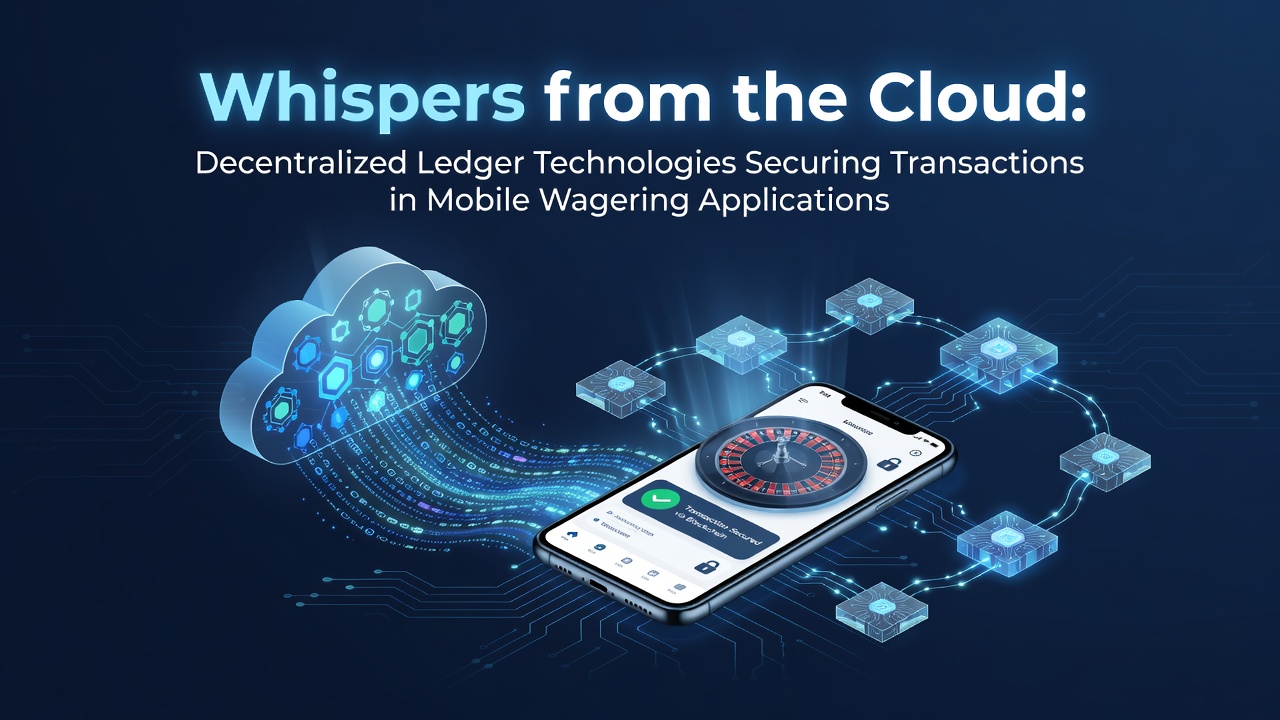
Decentralized ledger technologies operate through distributed networks that record transactions across multiple nodes, and this architecture creates tamper-resistant records that mobile wagering platforms rely on for transaction integrity. Observers note that such systems replace centralized databases with consensus mechanisms, which means alterations require agreement from the majority of participants rather than control by a single operator.
Core Mechanics of Distributed Ledgers in Wagering Environments
Nodes validate entries through cryptographic hashing and proof protocols, and these steps generate permanent chains where each block references the previous one. Mobile applications integrate these ledgers by embedding wallet functionalities that broadcast bets and payouts directly to the network, which removes intermediaries from fund movements. Researchers from the University of Nevada Las Vegas have documented how hash functions and digital signatures confirm participant identities while preserving anonymity where regulations permit.
Smart contracts execute automatically when predefined conditions occur, so winnings transfer without manual intervention once results finalize. This automation reduces processing windows from days to seconds in many implementations, and the code itself sits on the ledger where participants can audit its logic beforehand.
Transaction Security Through Immutability and Consensus
Once a block receives confirmation, reversing entries demands computational resources that exceed practical thresholds for most attackers. Mobile wagering operators deploy these features to counter chargeback fraud and unauthorized access, because every action leaves a verifiable trail visible to regulators and users alike. Data from the Australian Communications and Media Authority indicates rising adoption of such verification layers in cross-border betting services during the first half of 2026.
Multi-signature requirements further strengthen access controls, and users approve transfers through several devices or keys rather than a single password. Network participants reach consensus via algorithms like proof-of-stake or delegated variants that balance speed with security, which suits the latency demands of real-time mobile sessions.

Implementation Patterns Across Mobile Platforms
Developers embed application programming interfaces that connect game engines to ledger nodes, and these connections allow instant balance updates visible on user dashboards. Several operators have launched dedicated decentralized applications that run partially on user devices while anchoring critical data to public chains. In July 2026, industry reports highlighted expanded testing of layer-two scaling solutions that maintain security while handling thousands of concurrent bets per second.
Tokenized assets represent player funds or in-game items, and these digital representations move between applications without conversion losses. Regulatory frameworks in multiple jurisdictions now require audit trails that distributed ledgers supply natively, which streamlines compliance reporting for operators licensed in those regions.
Comparative Advantages Over Traditional Systems
Centralized servers present single points of failure that distributed networks avoid through replication, and this redundancy keeps services available even when individual nodes experience outages. Transaction fees often decrease because competition among validators replaces monopoly pricing, though network congestion can temporarily elevate costs during peak events. Studies published through academic channels show measurable reductions in dispute rates when players access immutable outcome records directly.
Interoperability protocols enable ledgers from different providers to communicate, so users transfer balances across platforms without exiting the ecosystem. Privacy enhancements such as zero-knowledge proofs allow verification of compliance without exposing underlying bet details, and these techniques satisfy data protection statutes while preserving operational transparency.
Conclusion
Distributed ledger adoption continues to expand within mobile wagering infrastructure as operators seek verifiable security and automated settlement. The combination of cryptographic permanence, consensus validation, and programmable contracts addresses longstanding vulnerabilities in transaction handling. Continued refinement of scaling layers and regulatory alignment will determine how widely these technologies integrate into mainstream applications over the coming years.